Once, there was a man named Boonmee. He lived on a farm in the northeast of Thailand, near the jungle, near the mountains, near the border of Laos. He grew tamarind. He kept bees. He had a life that was small and good and ordinary.
He was dying. His kidneys were failing. He knew this the way you know the season is changing. Not because someone tells you. Because the air feels different.
His sister-in-law, Jen, came to take care of him. Her son, Tong, came too. They sat with Boonmee on his porch in the evening. They ate dinner together. The jungle was dark around them. The insects were loud.
And then his wife sat down at the table.
She had been dead for years. But she was there. She appeared slowly. First you could almost see her. Then you could see her. She looked the way she had looked when she was alive. She smiled. Boonmee was not afraid. He was glad.
He asked her what it was like to be dead. She said it was like being alive but without a body. She said she followed him sometimes. She said she had been nearby for a long time.
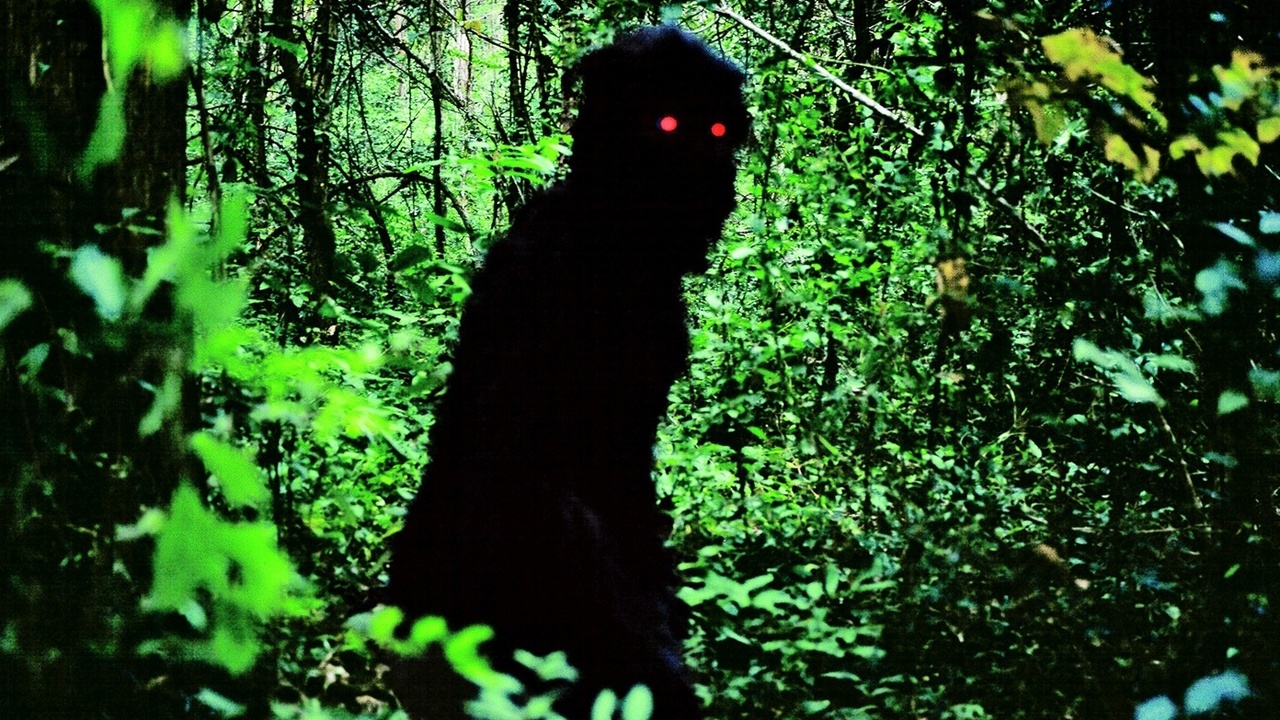
Then something moved at the edge of the dark. Two red lights, like embers. They came closer. They became eyes. The eyes belonged to a figure covered in black fur, tall and still, standing at the edge of the porch like a guest who is not sure if he is welcome.
It was Boonsong. Boonmee’s son. He had disappeared into the jungle years ago. He had gone looking for the monkey ghosts that lived in the forest. He had found them. He had become one of them. His eyes glowed red. His body was no longer his. But his voice was the same.
He sat down at the table too.
A dying man. A dead wife. A son who is no longer human. They ate dinner together. They talked. The night was warm.
This is a film by Apichatpong Weerasethakul. It is called Uncle Boonmee Who Can Recall His Past Lives. It won the Palme d’Or at Cannes in 2010, which is the highest prize in cinema. And if you watch it expecting the kind of film that wins the highest prize in cinema, you will be confused. Because it does not behave like an important film. It behaves like a dream you had once and almost forgot and then remembered years later while sitting outside at dusk.
Boonmee can recall his past lives. This is not a metaphor. He remembers being other things. The film shows you one of these lives.
Once, there was a princess. Her face was scarred. She was carried to a lake in the jungle by her servants. The water was clear and still. A catfish swam to the surface. The catfish spoke to her. She spoke back. They talked the way old friends talk. She entered the water. She let the catfish touch her. She let herself be changed. When she emerged, she was beautiful again. Or she was something else. Or beauty and strangeness had become the same thing.
This sequence is not explained. It arrives in the middle of the film like a folktale someone tells you while you are falling asleep. You accept it the way you accept things in dreams. Not because they make sense. Because they feel true.
Apichatpong grew up in Isan, the northeast of Thailand. It is a region of forests and farms and old stories. People there live close to the spirit world. Not as superstition. As fact. The ghosts are real. The jungle has memory. The dead do not leave. They just become harder to see.
His films are all like this. Tropical Malady. Syndromes and a Century. Memoria. They move slowly. They breathe. Things happen in them that cannot happen, and the camera watches with the patience of someone who has seen this before and is not surprised.
In Uncle Boonmee, the camera sits still for minutes at a time. You see a field. You see a tree. You see the light change. Nothing happens. Everything happens. You are being taught to look at the world the way Boonmee looks at it: as a place where the visible and the invisible are not separated by a wall but by something thinner. A curtain. A breath.
Boonmee believes his illness is karma. He killed people once. During the communist insurgency, he was a soldier. He killed men in the jungle. He says this quietly, without drama. He believes his kidneys are failing because of what his hands did. The film does not argue with him. It does not say he is right or wrong. It sits with him the way his dead wife sits with him. Present. Patient. Without judgment.
Near the end, Boonmee asks to be taken to a cave. A cave in the jungle where he believes he was born in a past life. They carry him there. It is dark. Water drips. Stalactites hang from the ceiling like the ribs of something ancient.
He dies there. Or he begins again. The film does not distinguish between the two.
There is a final scene that takes place after Boonmee’s death. Jen and Tong are in a hotel room. They watch television. They get dressed to go to dinner. And then, for a moment, you see them sitting on the bed, still, watching themselves leave the room. Two versions of the same people. One going. One staying. One in this life. One in the next.
It lasts only a few seconds. It is the strangest moment in the film. And also the most peaceful. Because it suggests that we are always in two places at once. Always here and also somewhere else. Always dying and also beginning.
This is a film you should watch late at night. Alone, or with someone you love. In the dark. With the sound turned up just enough to hear the insects and the water and the wind in the trees. Do not try to understand it. Do not look for a plot. Let it wash over you the way rain washes over a field. When it is finished, sit still for a moment. You will feel something you cannot name. It will feel like remembering a place you have never been.
That is the film. That is all it is. A man was dying, and everyone he loved came back, and the jungle was dark and warm, and somewhere in the night a pair of red eyes watched from the trees, and none of it was frightening, and all of it was true.
Sleep well.
Uncle Boonmee Who Can Recall His Past Lives (Loong Boonmee Raleuk Chat) Directed by Apichatpong Weerasethakul Thailand, 2010 | 114 minutes

Leave a Reply