The Myth
Before the universe had a name, the Goddess of Prosperity created it. She created everything. Food. Gold. Rain. Sleep. She had many offspring, but her firstborn was Hastar, and Hastar was hungry.
He wanted all the food. He wanted all the gold. He wanted everything his mother had made. The other gods rose against him. They would have destroyed him, but the Goddess loved her firstborn. She struck a bargain. Hastar would be spared, but he would be erased. No temple. No worship. No prayer. No story. He would sleep, forgotten, in a womb beneath the earth, clutching his gold, dreaming of the food he was never allowed to eat.
The gods agreed. Hastar was forgotten.
Almost.
In a village called Tumbbad, someone remembered.
The First Warning: 1918
Do not go to Tumbbad.
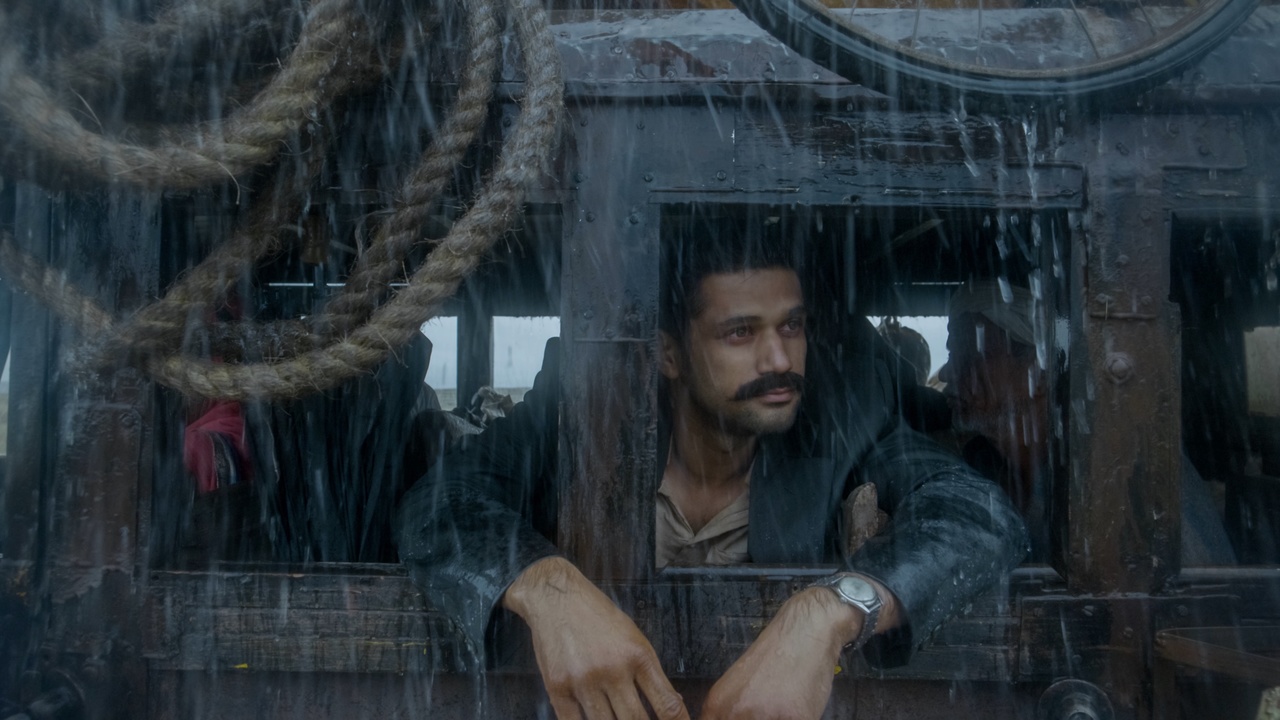
The village is drowning. It rains in Tumbbad the way grief rains: without pause, without mercy, without any sign it will ever stop. The houses rot. The trees sag. Everything in this place is being slowly digested by water and mud and time.
A woman lives in a crumbling mansion with her two sons. Upstairs, behind a locked door, something ancient is chained to a bed. It was once a person. It is not a person anymore. It is fed. It is feared. The children are told not to go upstairs.
The younger son, Vinayak, goes upstairs.
He learns about the womb beneath the earth. He learns about the gold. He learns that if you are clever and fast, you can descend into Hastar’s womb while the god sleeps, place a dough doll near his mouth to keep him distracted, and grab a single gold coin before he wakes. One coin. That is the rule. One coin per visit. Take more and Hastar opens his eyes. Hastar opens his eyes and you do not come back.
This is where the film sets its hook. Not with a jump scare. Not with gore. With a rule. A simple, terrible, perfectly calibrated rule: you can have some, but not all. You can visit greed, but you must leave before greed visits you.
Do not go to Tumbbad.
The Second Warning: 1933
Vinayak is a man now. He has been going down into the womb for years. One coin at a time. He is wealthy. He is careful. He is disciplined. He respects the rule.
And this is where Tumbbad does something no other horror film does. It makes you admire the thief. Vinayak is not reckless. He is not arrogant. He prepares his dough dolls with the precision of a surgeon. He descends into the red, fleshy darkness of Hastar’s womb and moves with calm, practiced efficiency. He takes his coin. He leaves. The system works.
Director Rahi Anil Barve films these sequences with a tactile, suffocating intimacy. The womb is not a cave. It is tissue. It breathes. It contracts. The walls glisten. You feel the moisture on your skin. Hastar sleeps in the center, enormous and grotesque, a body made of hunger, curled around gold coins that glow like infected teeth. The creature design is practical, physical, present in the frame in a way that CGI could never achieve. You believe in Hastar because Hastar has weight.
One coin. Every time. Vinayak knows the rule.
But Vinayak has a son now.
Do not go to Tumbbad.
The Third Warning: 1947
India is about to become independent. The British are leaving. The old world is ending. And Vinayak, who has been so careful, so disciplined, so perfectly controlled in his greed, decides he wants more.
Not one coin. All of them.
He brings his son. He has a plan. More dough dolls. A faster method. A system for extracting maximum gold in minimum time. It is, if you squint, a business plan. It is an optimization strategy. It is what greed looks like when it puts on a suit and calls itself ambition.
This is the warning the film has been building toward for two hours. The rule was never about the god. The rule was about the man. One coin is discipline. Two coins is negotiation. All the coins is the thing that every cautionary tale in every culture on earth has tried to teach us about, and that we keep refusing to learn.
Hastar wakes up.
What happens next is something you should see for yourself. It is frightening. It is sad. It is inevitable.
Why This Film Matters
Tumbbad took six years to make. It was crowdfunded, delayed, nearly abandoned. When it finally released in 2018, Indian audiences did not know what to do with it. It was not Bollywood horror. It was not a ghost story with jump scares and item numbers. It was a period film about mythology and greed, shot like a painting rotting in the rain, with a creature that looked like something Goya would have dreamed after reading the Mahabharata.
It found its audience slowly. Word of mouth. Film festivals. Streaming. People passed it to each other like a secret, like a coin stolen from a sleeping god. It is now widely regarded as one of the greatest Indian films of the 21st century.
And still, not enough people have seen it.
Why It Belongs Here
Every culture has stories about what happens when you take more than your share. The Greeks had Midas. The Norse had Fafnir. The Arabs had the cave in Ali Baba. Tumbbad reaches into the same ancient well and pulls up something unmistakably Indian: a myth steeped in monsoon mud, colonial decay, familial obligation, and the particular kind of hunger that does not want to eat but to own.
The film is peculiar because it refuses to separate beauty from rot. The womb of Hastar is horrifying and gorgeous. The rain is oppressive and hypnotic. Vinayak is a thief and a hero. The gold is a blessing and a disease.
You will watch this film and feel it settle into you the way the rain settles into Tumbbad: slowly, deeply, with no intention of leaving.
You were warned.
Tumbbad Directed by Rahi Anil Barve India, 2018 | 104 minutes

Leave a Reply